
Ducted Recessed Range Hoods - Flush Ceiling Italian Design | Futuro Futuro
Choose a ducted recessed range hood installed flush with the ceiling and connected to ducts that vent outside the house. Clear steam, smoke, and grease without a hanging canopy, with whisper-quiet 940 CFM class power. Compare flush ceiling designs with under cabinet range hood vent, under cabinet vent hood, ducted under cabinet range hood, and built in range hood options. Explore the collection.

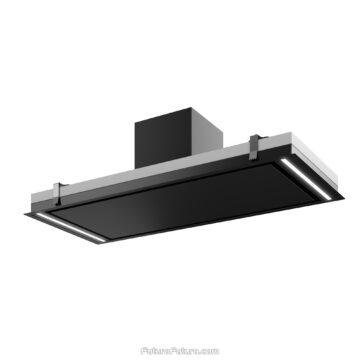
About this collection
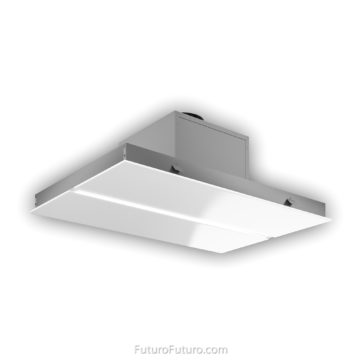
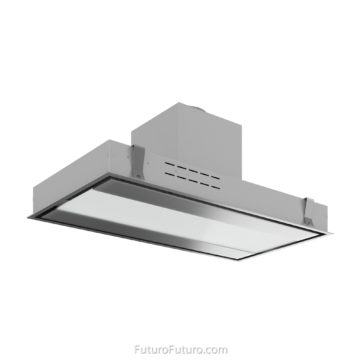
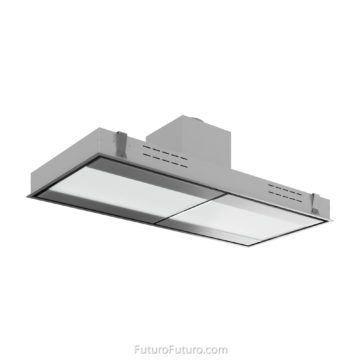
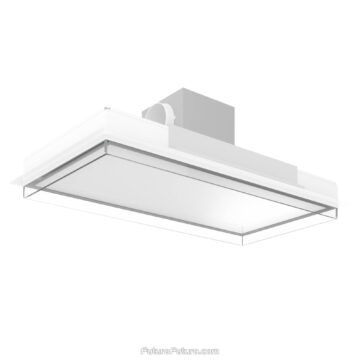
A ducted recessed range hood installs flush with the ceiling and connects to ducts that vent cooking air outside the house. For luxury open kitchens in the United States and Canada, that flush plane clears steam, smoke, grease, heat, and cooking gases without a hanging canopy blocking sightlines. Futuro Futuro ducted recessed designs pair Italian architectural restraint with whisper-quiet 940 CFM class power when the room should stay open and refined.
Flush ceiling design that keeps the room open
Recessed range hoods sit even with the ceiling or inside a soffit enclosure so the canopy reads as part of the ceiling plane rather than a freestanding chimney. AISI 304 stainless steel, tempered glass, and refined painted surfaces give investment-grade material quality while lighting, stone, and cabinetry remain the visual focus.
Shoppers comparing concealed ventilation may weigh an under cabinet range hood vent, under cabinet vent hood, ducted under cabinet range hood, or built in range hood that hides inside cabinetry. A ducted recessed range hood answers a different brief: outdoor venting with the body flush with the ceiling so islands and open plans stay visually clear.
Ducted exhaust that vents outside the house
Ducted installation routes captured air through solid metal ductwork to a roof or exterior wall termination. Steam, smoke, grease, heat, and cooking gases leave the home rather than being filtered and returned. Outdoor venting keeps humidity and odor from settling into open living spaces after serious cooking.
Solid metal duct sized to the hood outlet keeps airflow efficient and quieter than flexible runs. Models use a standard six inch outlet class. When the ducted recessed range hood runs ducted, carbon filters are not used.
Quiet power for open-plan cooking
Blowers deliver variable airflow from about 150 to 940 CFM. Lab-rated maximum airflow gives headroom after real-world duct losses, so simmering and high-heat cooking both have a usable speed. Sound-absorbing blower design keeps rated noise in the 0.5 to 3.2 sone range, so extraction stays conversation-friendly while the recessed canopy works from the ceiling.
Open cooktops lack a back wall to channel rising plumes, so staged high CFM class power still matters. Perimeter suction on selected models draws air along panel edges for broader coverage. LED lighting and multi-speed controls keep daily use simple.
Sizes and fit for ceiling and soffit installs
Futuro Futuro recessed ceiling and soffit range hoods typically span about 36 to 54 inches for popular islands and wider cook zones. Match the canopy to cooktop width and room volume so the ducted recessed range hood gathers lateral steam before it drifts into dining areas.
- Mid-width flush ceiling hoods for common 36 inch cooktops and islands
- Wider soffit and ceiling formats near 48 to 54 inches for broad cooking zones
- Stainless, glass, and specialty finishes that read as architectural lighting
- Soffit or custom enclosure installs when joists or finish planes require a frame
Plan ceiling cavity depth, joist direction, and duct exit early. Confirm cutout, housing height, and duct orientation on each product page. Standard power is a US and Canada 110 to 120 V plug-in connection on a dedicated circuit.
Ducting guidance for recessed ceiling installs
Plan a clear path from the flush canopy through the ceiling cavity to a roof or exterior wall termination. Use solid metal duct at least equal to the hood outlet. Avoid flexible duct. Count elbows and transitions toward maximum effective run length, and place the backdraft damper where local practice requires it. Many Futuro Futuro ceiling models can also convert to ductless when outdoor ducting is not possible. This category focuses on ducted recessed installs that vent outside.
Materials, care, and ownership
Bodies use high-grade stainless steel with glass and specialty finishes for modern home kitchens. Northern Italy production supports consistent fit and finish. Many grease filters are dishwasher-safe metal mesh concealed behind perimeter panels. Soft cloths and mild detergent along the steel grain keep exteriors refined. Models ship from the Hallandale, Florida warehouse with sizing and CFM code support.
Who ducted recessed range hoods serve
Primary buyers are renovating homeowners who want open sightlines and can route outdoor ducts through the ceiling, designers specifying flush ventilation above islands, and serious cooks who need quiet extraction without a hanging canopy. Builders value clear soffit and joist rules, plug-in power, and reachable US support. When cabinetry-led concealment is preferred, an under cabinet vent hood or built in range hood may fit better; when the ceiling plane should lead, choose recessed.
Browse ducted recessed range hoods by size and finish, then open models for exact widths and ducting notes. Explore the collection.
Questions about Ducted Recessed Ceiling Range Hoods
What is a ducted recessed range hood?
A ducted recessed range hood installs flush with the ceiling or inside a soffit and connects to ductwork that vents cooking air outside the house. Steam, smoke, grease, heat, and cooking gases leave the home instead of being filtered and returned to the kitchen.
How does a recessed ceiling hood differ from an under cabinet range hood vent?
A recessed ceiling hood sits flush with the ceiling so sightlines stay open over islands and open plans. An under cabinet range hood vent, under cabinet vent hood, ducted under cabinet range hood, or built in range hood mounts inside or under cabinetry so wood and finishes stay in view. Both can vent outdoors when ducted; the mount plane is the main difference.
What sizes of ducted recessed range hoods are available?
Futuro Futuro recessed ceiling and soffit range hoods typically span about 36 to 54 inches. Exact cutout width, housing depth, and duct orientation vary by model, so open each product page for final dimensions.
Why choose a ducted recessed range hood over ductless?
A ducted recessed range hood vents air outside through ducts, removing heat and moisture from the home. A ductless setup recirculates filtered air back into the kitchen. When a duct path through the ceiling to the exterior is possible, ducted venting is the stronger choice for frequent or high-heat cooking.
How quiet are Futuro Futuro flush ceiling range hoods?
Rated noise across the line typically falls between 0.5 and 3.2 sones depending on speed. Sound-absorbing blower design, filter engineering, and smooth air paths keep extraction usable during cooking and conversation. An optional remote blower kit can move the motor farther away for additional quieting on supported installs.
What CFM airflow do these ducted recessed range hoods provide?
Models are specified in the 150 to 940 CFM class with multiple speeds. Lab-rated maximum airflow provides headroom after real-world duct losses above an island or open cooktop. Factory can often reduce CFM when local make-up air or building codes require a lower maximum.
What ducting is recommended for a recessed ceiling range hood?
Use solid metal duct sized at least to the hood outlet, commonly a six inch class on Futuro Futuro models. Avoid flexible duct. Plan the path from the flush canopy through the ceiling cavity to a roof or exterior wall, count elbows and transitions toward maximum effective run length, and place the backdraft damper according to local practice.
Should I use carbon filters on a ducted recessed range hood?
No. When a ducted recessed range hood runs ducted to the outdoors, carbon filters are not used. They reduce airflow and can add noise. Grease filters still capture grease at the canopy; carbon cartridges belong to recirculating ductless setups.
Can a ducted recessed range hood install in a soffit?
Yes. Many Futuro Futuro recessed ceiling models can flush-mount into the ceiling or install inside a soffit or custom enclosure. Confirm housing height, retaining frame details, and duct direction on the product page so the finish plane stays even.
What finishes and materials do these flush ceiling hoods use?
Bodies commonly use AISI 304 stainless steel with tempered glass and painted or specialty surfaces depending on the model. Finishes range from brushed stainless and matte black or white to glass panels and other designer treatments. Each product page lists exact materials.
When should I choose a built in range hood instead of recessed?
Choose a built in range hood or under cabinet vent hood when cabinetry or a custom hood shell should conceal the ventilation and the cooktop sits against a wall or under upper cabinets. Choose a ducted recessed range hood when the ceiling plane should stay flush and open views over an island matter more than cabinet concealment.
Who are ducted recessed range hoods designed for?
This collection targets homeowners renovating high-end open kitchens who can route outdoor ducts through the ceiling, designers specifying flush ventilation above islands, serious home cooks who need quiet staged extraction without a hanging canopy, and trade partners who need stocked models with US support from the Hallandale, Florida warehouse.