
Peak Performance & Pristine Design: A Guide to Residential Range Hood Care and Maintenance New
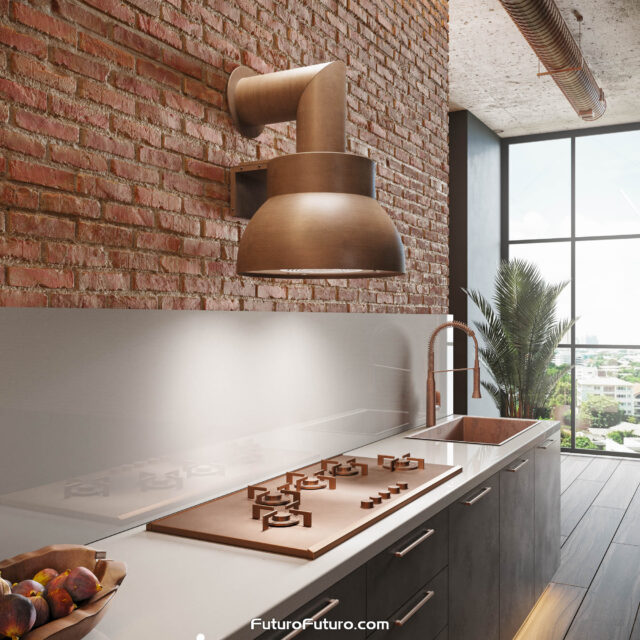
A residential range hood is one of the hardest working appliances in your kitchen. Whenever you cook, smoke, grease, odors, moisture and airborne particles from cooking are taken in by your ventilation before they diffuse around the house. However, like any equipment, a range hood will do its job best only when it is well maintained.
This is the main reason home owners are willing to spend a higher price for high-end stylish kitchen range hoods from leading manufacturers such as Futuro Futuro due to their streamlined design, powerful airflow, quiet operation and their advanced filtration systems. Yet most high-performance range hoods still need a moderate amount of cleaning and maintenance for efficiency, appearance and long service life.
In this guide, you will learn how to care for your residential range hood, prevent grease buildup, prolong appliance life and ensure the best ventilation performance possible.
Why Range Hood Maintenance Matters
Over time, a neglected range hood can lose its functionality. Over time, the grease restricts the airflow that reduces odor control, increases noise and potentially creates fire hazards.
Multiple maintenance guides accessed from Futuro Futuro also state that metal grease filters and charcoal filters should be routinely cleaned/replaced in order to continue operating both effectively and safely. The company states that failure to maintain cleaning can allow grease to accumulate, reducing airflow and increasing the risk of fires.
Regular maintenance has its advantages:
- Better airflow performance
- Improved smoke removal
- Reduced kitchen odors
- Lower grease accumulation
- Quieter operation
- Extended motor lifespan
- Improved energy efficiency
- Better kitchen hygiene
Homeowners who cook more often – particularly those that use oils, spices, cooking at high temps with frying – usually need a much faster or more regular maintenance schedule than those that just occasionally cook.
Understanding the Main Components of a Range Hood
Before starting the maintenance processes, it is beneficial to know the basic parts that are needed for regular attention.
Metal Grease Filters
Metal grease filters intercept airborne particles of grease and oil before they can reach the blower or duct system. Almost all new range hoods, including all the different models of Futuro Futuro, come with dishwasher-safe stainless steel and aluminum mesh filters.
The most vital maintenance point are these filters because they catch grease directly while cooking.
Charcoal Filters
The ductless range hood system most commonly uses charcoal filters. They remove odors caused by cooking and recirculate air back to the kitchen.
Charcoal filters are typically not cleanable like a metal filter so they need to be changed regularly.
Exterior Hood Surface
Over time, the visible surface of the hood accumulates grease residue, fingerprints, smoke particles and even cooking oils. Stainless steel, tempered glass, and fingerprint-resistant finishes all require a different cleaning approach.
Internal Blower and Ductwork
Components which move contaminated air out of your case or through filtration systems include the blower motor and internal ducting. The oil fields in these areas become saturated with heavy grease leading to ineffectiveness and more pressure during duty.
How Often Should You Clean a Range Hood?
Maintenance frequency depends on cooking habits and hood type.
| Component | Recommended Maintenance Frequency | Purpose |
| Metal grease filters | Every 1-3 weeks | Prevent grease buildup |
| Charcoal filters | Every 2-3 months | Maintain odor filtration |
| Exterior surfaces | Every 2 weeks | Preserve appearance |
| Interior hood surfaces | Monthly | Improve airflow efficiency |
| Duct inspection | Annually | Prevent airflow restrictions |
Futuro Futuro maintenance guidelines suggest you clean metal grease filters once per week if you cook a lot, and less frequently otherwise.
Likewise, Better Homes & Gardens advises with monthly cleanings to prevent airflow restriction and grease fires.
Cleaning Metal Grease Filters Properly
Metal grease filters trap most of the cooking grease and therefore have the highest need for regular cleaning.
Accessory and maintenance documentation indicates that metal filters are dishwasher-safe. You should clean them approximately every two weeks to preserve optimal performance.
A lot of stainless steel filters are dishwasher safe, though manufacturers recommend against excess pressure or abrasion that could damage filter mesh. Please use more gentle cycle modes.
Southern Living also emphasizes that over time, filters that are not dried properly can drastically reduce airflow and cause foul odors.
Replacing Charcoal Filters in Ductless Systems
If you are looking for a ductless range hood, they depend on charcoal filtration systems for removing odor.
Charcoal filters absorb contaminants in their body, unlike metal filters that pass through them; and after some time they saturate.
Normal carbon filters should normally be altered each of the two to three months, however it could really rely upon what amount often you cook in the kitchen and use ventilation according to guidelines from Futuro Futuro technique.
Here are the indications that charcoal filters should be replaced:
- Lingering cooking odors
- Reduced airflow performance
- Increased kitchen smoke
- Excessive noise during operation
- Persistent grease residue
There are some long life carbon filters that can be recharged in an oven before having to throw them away.
Protecting Stainless Steel and Glass Finishes
Additionally, today’s range hoods boast high-end stainless-steel, tempered-glass or a fingerprint-resistant finish that requires proper cleaning techniques.
For external cleaning Futuro Futuro recommends non-abrasive stainless steel cleaners like WD-40. Of course, always avoid abrasive pads and harsh chemicals because they can ruin the finish.
Best Practices for Exterior Cleaning
- Use microfiber cloths or paper towels
- Make sure to wipe following the grain of stainless
- Skip the steel wool or abrasive brushes
- Never use harsh chemical solvents
- Dry surfaces thoroughly after cleaning
Monthly wipe-downs are also suggested by Better Homes & Gardens to avoid grease build up and maintain finish quality.
For both glass or painted range hoods you can use glass cleaners, such as Windex.
| Maintenance Task | Performance Benefit | Design Benefit |
| Filter cleaning | Better airflow | Cleaner appearance |
| Charcoal replacement | Reduced odors | Fresher kitchen environment |
| Exterior wipe-downs | Prevent grease buildup | Preserves finish quality |
| Interior maintenance | Extends motor life | Reduces visible grime |
Preventing Long-Term Performance Problems
Costly repairs can easily be avoided through regular maintenance.
Over time, grease that builds up in blower systems or ductwork may cause motors to struggle with airflow. This can lead to nosier operation, decreased energy efficiency and a shorter lifespan of the appliance.
Multiple Futuro Futuro manuals explicitly warn homeowners to disconnect power prior to cleaning the inside and avoid using moisture or solvents around electrical components.
Additional maintenance tips include:
- Several minutes before cooking, run the hood
- Continue ventilation after cooking ends
- Clean spills immediately
- Replace damaged filters promptly
- Schedule annual duct inspections
- Check for unusual motor noise
However, if you still notice airflow has declined noticeably even though the filters are clean, it may be a case of ductwork that is blocked or blower problems which need to be investigated by an HVAC professional.
The Link Between Maintenance and Kitchen Air Quality
Indoor air quality of a space is directly correlated to the range hoods. As you cook, grease particles, smoke, volatile organic compounds, and moisture are released into the atmosphere. Ventilation systems are key to reduction of pollutant accumulation within the home when properly maintained.
Futuro Futuro ventilation fans are designed for high airflow without creating too much noise, but the filters still need care if you want to enjoy these benefits longer.
If you are a household that cooks food on gas cooktops or high temperatures; maintenance is imperative to ensuring air quality in the long run.
How to Maintain Your Range Hood for Maximum Efficiency
A residential range hood, both a functional appliance and the most significant element of kitchen design. Regular maintenance will help it function properly and stay looking nice for years to come!
Through frequent cleaning of metal filters, timely replacement of charcoal filters, protection of external finishes and regular checks to the airflow systems, homeowners can achieve peak performance out of their ventilations system while preserving a pristine kitchen look.
High-quality, premium systems from Futuro Futuro were designed to last for many years or decades of continuous use, and like any high-performance appliance, regular maintenance is the best way to ensure peak performance, minimal repairs needs and full protection of your investment.
FAQs
How often should I clean my range hood filters?
Generally, the cleaning of metal filters in range hoods should be performed every 1-3 weeks based on cooking frequency, grease output and other range hood ventilation use habits.
Can I wash range hood filters in the dishwasher?
Most grease mesh filters are dishwasher safe, but homeowners should always look out for manufacturer instructions before using high-temperature dishwasher cleaning cycles frequently.
When should charcoal filters be replaced?
In a ductless range hood, charcoal filters typically need to be replaced every two to three months for effective odor removal and optimal kitchen air circulation performance.
What is the best cleaner for stainless steel range hoods?
To maintain the pristine finish of your range hood, we recommend using a microfiber cloth or a paper towel paired with non-abrasive stainless steel cleaners, such as a specialized spray or even WD-40, which effectively dissolves grease and removes fingerprints. For the best results, simply apply the cleaner to the surface and wipe it off following the grain of the steel to preserve the quality of the finish without leaving streaks or residue.
Why is my range hood getting louder over time?
Neglecting your ventilation system can lead to significant operational issues; dirty filters trap excessive dust, while grease build-up physically obstructs airflow. This forced resistance strains the motor and degrades overall ventilation performance, which often leads to increased noise levels as the system struggles to exhaust air effectively.